
Parcel Contract Compliance: Invoice Checks & Monitoring
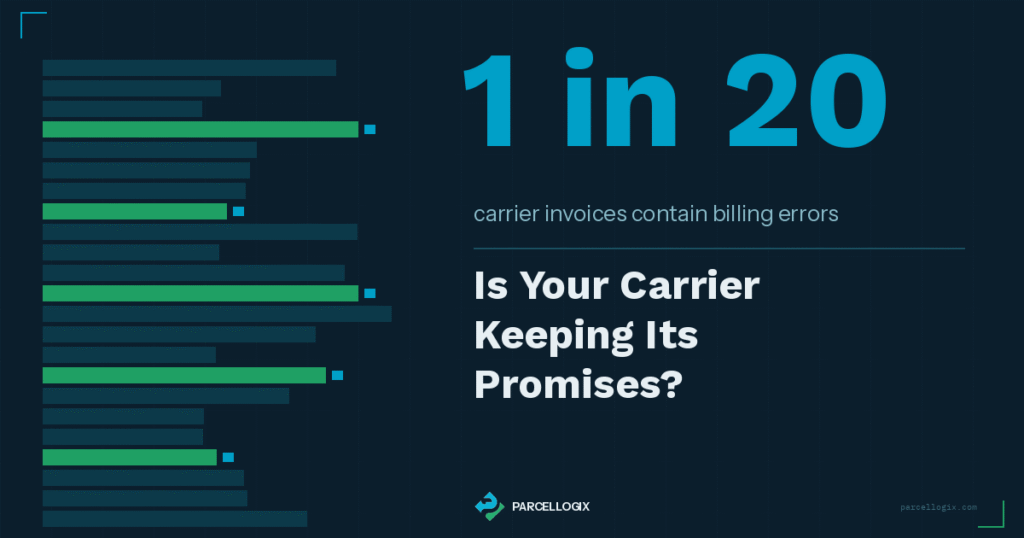
Key answer: Parcel contract compliance means checking billed charges against the agreement and applicable carrier rules. Verify account coverage, effective dates, discounts, minimums and surcharge provisions. Document discrepancies and confirm eligibility and deadlines before requesting an adjustment.
You spent weeks negotiating your carrier contract. Your procurement team ground out every discount with UPS, FedEx, or DHL. You fought for better accessorial rates. You secured commitment tiers that should save your company thousands each month.
Then the invoices start arriving, and somehow, the savings never materialize.
This scenario plays out in shipping departments across the country every day. Companies invest significant resources into contract negotiations, only to watch those hard-won terms evaporate through poor monitoring and enforcement. The uncomfortable truth is that negotiating a great contract is only half the battle. Without proper compliance monitoring, even the best carrier agreements become worthless pieces of paper.
What Is Parcel Contract Compliance?
Parcel contract compliance is the ongoing process of verifying that your carriers are billing you according to the rates, discounts, and terms you negotiated in your shipping agreement. It means systematically checking every invoice against your contract to confirm that negotiated discounts are applied, service guarantees are honored, and surcharges are billed at agreed-upon rates.
An invoice error rate does not tell you the percentage of spend that can be recovered. Calculate the actual difference between the correct and billed amounts, confirm eligibility, and track requested versus credited adjustments. Savings and recoveries depend on the account and findings.
The gap between negotiated terms and actual billing represents one of the most significant — and most overlooked — sources of shipping cost overruns in modern logistics. Most shipping managers can recite their contracted discount rates down to the decimal point. Far fewer can tell you whether their carriers are actually honoring those rates on every shipment.
Common Carrier Contract Violations That Cost You Money
Carriers process millions of packages through complex billing systems. Mistakes happen. But the distinction between innocent errors and systematic compliance failures matters less than the financial impact — which is real and measurable.
Service Guarantee Failures
Some shipments may qualify for service-guarantee refunds when the carrier fails to meet an applicable commitment. Availability, suspensions, exclusions and claim requirements matter; a late delivery does not automatically entitle every shipment to a full refund.
Billing adjustments, service-guarantee refunds and loss or damage claims have different conditions and deadlines. Record the applicable deadline for each issue and submit promptly. Confirm eligibility and exclusions in the FedEx Service Guide or UPS billing guidance; a universal 15-day invoice deadline does not apply to every dispute.
Accessorial Charge Discrepancies
You negotiate specific discounts on accessorial charges — residential delivery surcharges, address corrections, delivery area fees, additional handling. But when invoices arrive with generic line items and carrier-assigned codes, tracking whether your negotiated rates were applied becomes nearly impossible without detailed analysis.
Check each negotiated surcharge provision against the relevant invoice line. The financial impact depends on how frequently the charge applies and the difference between contracted and billed amounts.
Dimensional Weight Miscalculations
The applicable dimensional-weight divisor depends on the carrier, service, rate type and agreement. UPS publishes 139 for Daily Rates and 166 for Retail Rates. Check UPS dimensional-weight rules and FedEx dimensional-weight guidance before calculating a shipment; do not assume one divisor applies to every service.
Verifying that the correct DIM divisor is applied across thousands of shipments requires systematic data review. With both UPS and FedEx now rounding every fractional inch up to the next whole inch (a change implemented in 2025), even small discrepancies in how dimensions are recorded can push packages into higher billing tiers.
Discount Tier and Volume Commitment Issues
Many carrier contracts include tiered pricing where your discounts improve as volume increases. Tracking whether you’ve hit the metrics that trigger better pricing — and whether carriers adjusted your rates accordingly — demands ongoing attention.
The reverse is also true: if your volume dips below committed levels, carriers may retroactively adjust your rates upward. Without monitoring, you might not realize your discount tier changed until months of inflated invoices have already been paid.
Fuel Surcharge Errors
Fuel charges depend on the carrier, service, shipment date and agreement. Check the applicable published table and the charges included in its calculation; fuel can apply to transportation and specified additional fees. See FedEx fuel surcharges and UPS fuel surcharges.
Why Contract Monitoring Fails in Most Organizations
The typical company assigns contract monitoring as an additional responsibility for someone already managing day-to-day shipping operations. This person handles customer service issues, resolves delivery problems, coordinates with warehouses, and somewhere in that mix is supposed to audit carrier invoices for compliance.
Billing adjustments, service-guarantee refunds and loss or damage claims have different conditions and deadlines. Record the applicable deadline for each issue and submit promptly. Confirm eligibility and exclusions in the FedEx Service Guide or UPS billing guidance; a universal 15-day invoice deadline does not apply to every dispute.
Manual auditing is effectively impossible at scale. Pulling data from carrier invoices, comparing it against contract terms, identifying discrepancies, documenting violations, and filing claims requires hours of tedious work per invoice batch. For companies shipping thousands of packages monthly, comprehensive manual audits can’t keep pace.
Multiple carriers multiply the complexity. Each carrier has different invoice formats, terminology, and contract structures. What UPS calls a residential surcharge may appear differently on a FedEx invoice. Maintaining mental models of multiple carrier systems and fee structures while trying to identify compliance issues exceeds most people’s cognitive capacity.
Unclear escalation procedures kill follow-through. A junior shipping clerk who notices a billing discrepancy may not know whom to contact or how to file a formal claim within the carrier’s required timeframe. Without established processes, even identified problems go unresolved.
The Financial Impact of Poor Contract Enforcement
Companies that implement systematic compliance monitoring regularly discover they’ve been overpaying by significant percentages. The money was always there — they simply weren’t tracking it.
The impact extends beyond immediate cost recovery. Carriers that recognize their customers aren’t monitoring compliance have reduced incentive to maintain billing accuracy. Over time, the rate of errors tends to increase when companies demonstrate they won’t push back.
Poor contract enforcement also undermines future negotiations. When renewal time arrives, carriers analyze your shipping patterns and payment history. If you’ve been paying inflated rates without complaint, that becomes the baseline for new discussions. You’re negotiating from a weakened position created by your own lack of oversight — one of the most common and costly mistakes in parcel contract management.
How to Build an Effective Contract Monitoring System
Document Everything Before You Start
Translate every negotiated rate, discount, and special provision into specific, measurable criteria that can be checked against actual invoices. When your contract says “25% discount on residential surcharges,” map that to exactly how it should appear on your invoice and what the correct charge should be for given scenarios.
Establish a Regular Audit Cadence
Weekly or bi-weekly audits of invoice samples can identify systematic issues without requiring full-time audit staff. The goal isn’t catching every single error — it’s identifying patterns that indicate broader compliance problems. Prioritize the highest-dollar charges and the areas where errors are most common: fuel surcharges, accessorial discounts, DIM weight calculations, and service guarantee refunds.
File Claims Fast
Billing adjustments, service-guarantee refunds and loss or damage claims have different conditions and deadlines. Record the applicable deadline for each issue and submit promptly. Confirm eligibility and exclusions in the FedEx Service Guide or UPS billing guidance; a universal 15-day invoice deadline does not apply to every dispute.
Track Carrier Responsiveness
Some carriers process legitimate claims quickly. Others slow-walk refunds or deny valid claims requiring additional documentation. Tracking claim outcomes helps inform future carrier selection and negotiation strategy.
Deploy Technology for Scale
For high-volume shippers, technology solutions like ParcelLytics can dramatically improve monitoring efficiency. Specialized parcel analytics platforms automatically compare invoice charges against contracted rates, flag discrepancies, and file claims on your behalf. These tools transform compliance monitoring from impossible manual work into manageable automated oversight.
Questions That Reveal Whether You Have a Compliance Problem
When did someone last audit your carrier invoices against your contract terms? If the answer is “never” or “I’m not sure,” you almost certainly have recoverable overcharges in past invoices.
Do you know your refund rates for service failures? Most companies that start tracking this discover they’re entitled to significantly more refunds than they’ve been claiming.
Can you verify whether carriers applied your negotiated discounts on last week’s shipments? If answering this requires more than a few minutes, your monitoring system isn’t sufficient.
What percentage of your shipping spend goes to accessorial charges, and are those charges billed at your contracted rates? Accessorial charges often escape scrutiny entirely, yet they represent the area where contracted discounts have the most financial impact.
Who in your organization is responsible for contract enforcement? If compliance monitoring is someone’s tenth priority, it’s effectively no one’s responsibility.
Frequently Asked Questions About Parcel Contract Compliance
What is parcel contract compliance?
Parcel contract compliance is the process of verifying that carriers like UPS, FedEx, and DHL are billing you according to the rates, discounts, and terms specified in your negotiated shipping agreement. It involves systematically auditing invoices to identify overcharges, missed discounts, service guarantee violations, and billing errors — then filing claims to recover money owed.
How common are carrier billing errors?
An invoice error rate does not tell you the percentage of spend that can be recovered. Calculate the actual difference between the correct and billed amounts, confirm eligibility, and track requested versus credited adjustments. Savings and recoveries depend on the account and findings.
How much can I recover through parcel invoice auditing?
An invoice error rate does not tell you the percentage of spend that can be recovered. Calculate the actual difference between the correct and billed amounts, confirm eligibility, and track requested versus credited adjustments. Savings and recoveries depend on the account and findings.
How long do I have to dispute a UPS or FedEx billing error?
Billing adjustments, service-guarantee refunds and loss or damage claims have different conditions and deadlines. Record the applicable deadline for each issue and submit promptly. Confirm eligibility and exclusions in the FedEx Service Guide or UPS billing guidance; a universal 15-day invoice deadline does not apply to every dispute.
Will auditing my carrier invoices damage my carrier relationship?
No. Carriers view billing disputes as a normal part of business operations. Professional, well-documented claims are processed routinely. In fact, consistent compliance monitoring signals to carriers that billing accuracy matters to your organization, which tends to improve accuracy over time.
Should I audit carrier invoices manually or use software?
For companies shipping fewer than a few hundred packages per month, periodic manual spot-checks may be sufficient. For higher volumes, automated parcel audit platforms are essential — manual review simply can’t keep pace with the volume of line items, the complexity of contract terms, and the tight dispute deadlines carriers enforce.
Take Control of Your Carrier Contract
The path forward starts with acknowledgment. If you’ve been treating contract signing as the end of the process rather than the beginning, you’re not alone. Most companies operate this way.
Begin with a baseline assessment. Pull three months of carrier invoices and review them for obvious discrepancies against your contract terms. This exercise will likely reveal enough issues to justify systematic monitoring going forward.
ParcelLogix’s core engagement is designed for businesses spending $1 million or more annually on parcels. Discuss the scope, baseline, fee model and measurement of any savings before starting.
Your shipping contract represents a promise from your carrier. Whether they keep that promise depends largely on whether you’re watching. Start watching.
Get a free savings assessment to find out how much your carrier billing errors are costing you.