Key answer: This historical review covers fuel-surcharge changes in 2024. For a current shipment, use the carrier table effective on its shipment date, the eligible charge base and your agreement. A fuel surcharge can change independently of a general transportation-rate increase.

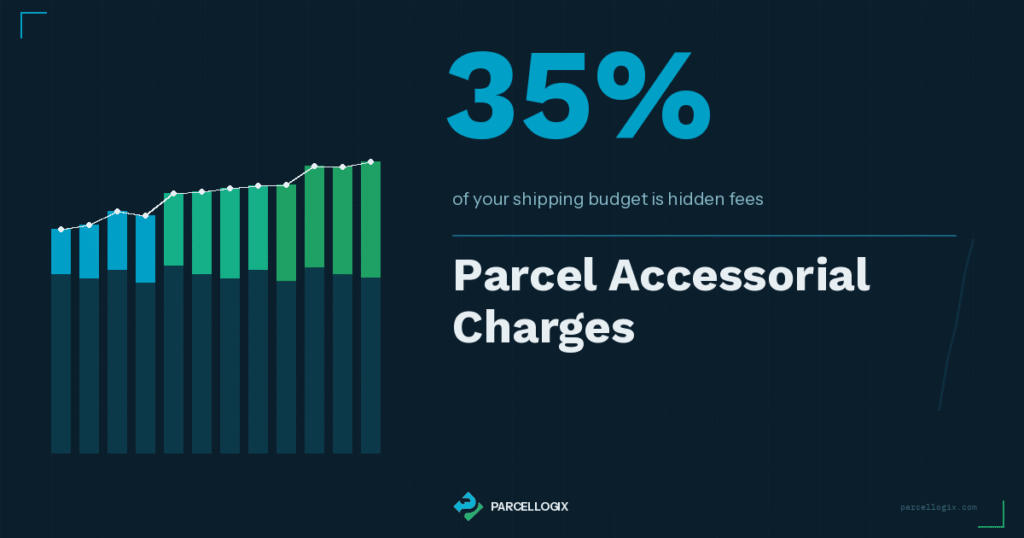
Parcel Accessorial Charges: Types, Analysis & Reduction
Key answer: Accessorial charges are additional parcel shipping fees such as residential delivery, address correction, delivery-area and handling charges. To reduce them, measure each category on actual invoices, identify its cause, and compare operational changes with available contract concessions.
Hidden Shipping Fees: How to Diagnose Budget Variance
Key answer: To explain a shipping budget overrun, separate transportation charges from fuel and other fees, then compare shipment mix and billed weight across periods. This identifies whether the difference comes from rates, operations, assumptions or billing discrepancies.
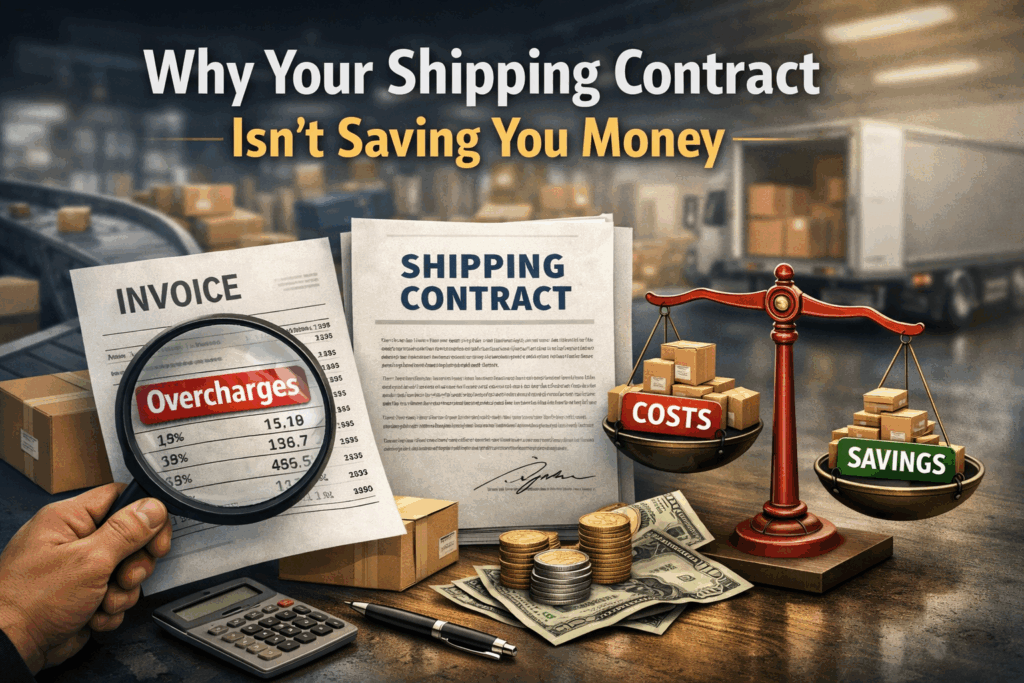
Why Shipping Contract Savings Do Not Reach Your Invoices
Key answer: Expected shipping savings may not appear because of implementation errors, minimum charges, changing shipment mix or terms that exclude particular fees. Compare the agreement with detailed invoices and the original savings model before deciding which explanation applies.
Parcel Contract Negotiation Mistakes to Avoid
Key answer: Common parcel negotiation mistakes include starting too late, using incomplete shipment data, comparing discounts instead of total cost and overlooking contract conditions. Build a consistent cost model before carrier discussions and plan how implementation will be checked.
5 Parcel Contract Mistakes: Costs, Terms & Carrier Fit
Key answer: A carrier contract needs review when shipment patterns, business requirements or carrier terms change. Check rate increases, surcharges, minimum charges, operational fit and implementation rather than relying on the renewal date or headline discount alone.
Small Retailer Shipping: Costs, Carrier Fit & Growth
Key answer: Smaller retailers can compete on shipping by matching delivery promises to customer needs, controlling packaging and comparing total carrier cost. ParcelLogix’s core consulting engagement is designed for businesses spending $1 million or more annually on parcels; the operating principles below also help smaller teams.
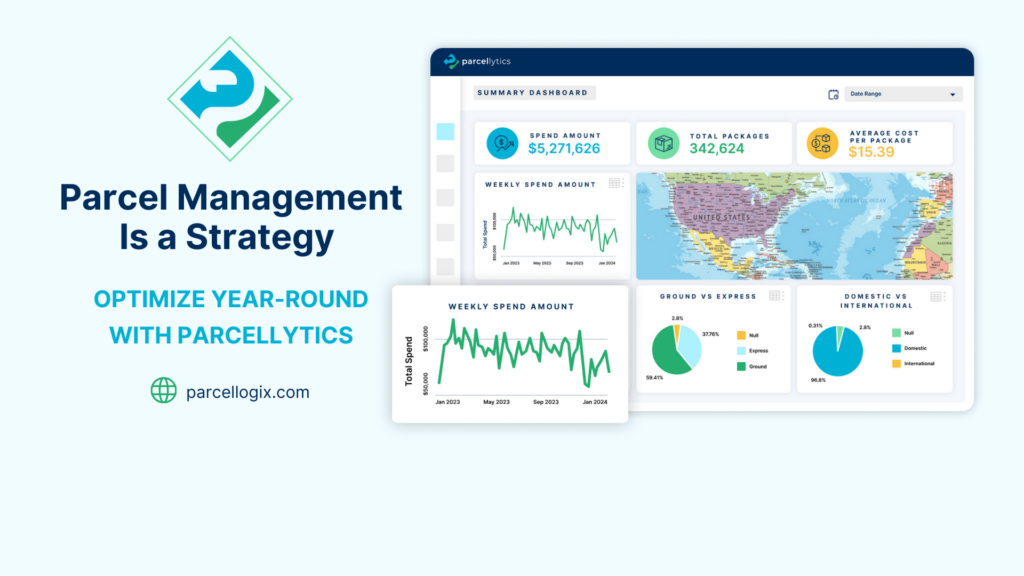
5 Ways ParcelLytics Supports Carrier Negotiation
Key answer: ParcelLytics supports carrier decisions by helping teams examine cost drivers, prepare shipment data, review billed charges, evaluate cost and service together, and maintain a consistent savings baseline. Confirm the reports and data requirements relevant to your operation in a demonstration.
Compare Parcel Carriers: Cost, Coverage & Service Fit
Key answer: There is no single best parcel carrier for every business. Compare eligible services on your actual origins, destinations, weights and dimensions, including fees, pickup requirements, delivery commitments and any impact on existing volume incentives.
FedEx September 2024 Earnings: Historical Shipper Notes
Key answer: These notes discuss FedEx’s September 2024 earnings and the questions they raised for shippers at that time. Treat the market commentary as historical context. A current negotiation should use recent carrier information, your shipping profile and written proposals.