Key answer: Start an avoidable-fee review with late payments, recurring pickup charges and address corrections. Confirm why each fee was billed, assign ownership of the underlying process, and measure the net benefit of any change. A valid recurring fee is not automatically an error.

Parcel Contract Negotiation Mistakes to Avoid
Key answer: Common parcel negotiation mistakes include starting too late, using incomplete shipment data, comparing discounts instead of total cost and overlooking contract conditions. Build a consistent cost model before carrier discussions and plan how implementation will be checked.
Why Shipping Contract Savings Do Not Reach Your Invoices
Key answer: Expected shipping savings may not appear because of implementation errors, minimum charges, changing shipment mix or terms that exclude particular fees. Compare the agreement with detailed invoices and the original savings model before deciding which explanation applies.
Hidden Shipping Fees: How to Diagnose Budget Variance
Key answer: To explain a shipping budget overrun, separate transportation charges from fuel and other fees, then compare shipment mix and billed weight across periods. This identifies whether the difference comes from rates, operations, assumptions or billing discrepancies.
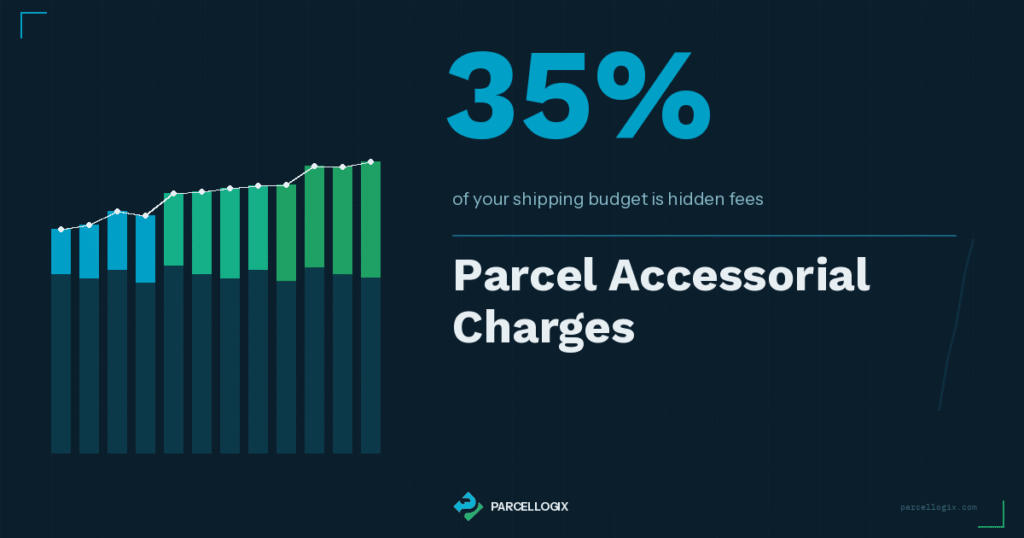
Parcel Accessorial Charges: Types, Analysis & Reduction
Key answer: Accessorial charges are additional parcel shipping fees such as residential delivery, address correction, delivery-area and handling charges. To reduce them, measure each category on actual invoices, identify its cause, and compare operational changes with available contract concessions.